Fire Extinguisher Servicing London
Certified servicing delivered fast, starting from £79.99 ONLY. Full compliance guaranteed.
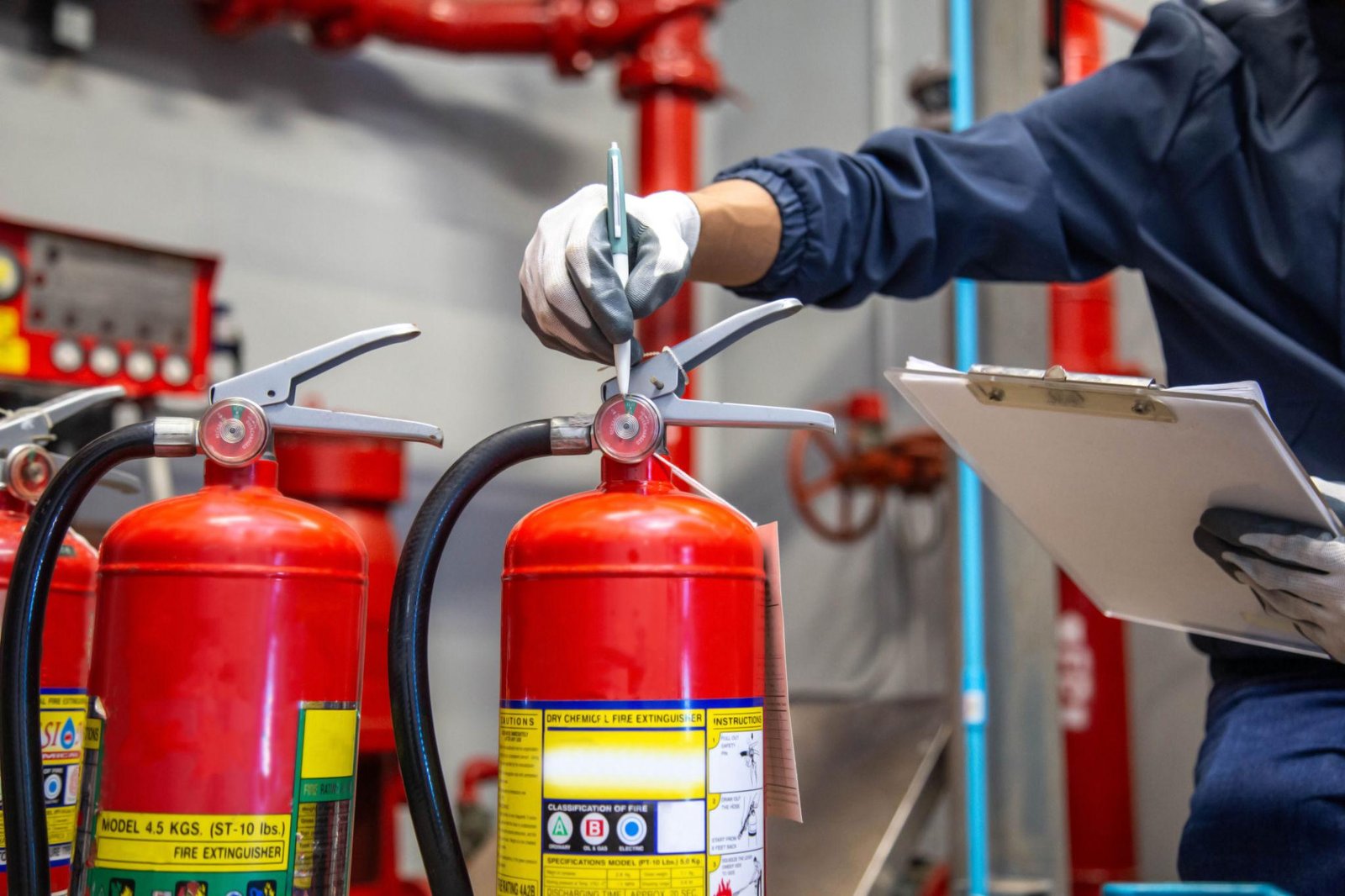
Fire Safety for Landlords: A Comprehensive Guide
Fire safety for landlords carries serious importance in society. In England, among 600,185 incidents attended by FRSs in 2024, there were 136,702 fires—a decrease of 3.9% compared with the previous year. Such reduction of fire disaster could happen only due to the serious practice of fire safety regulations and responsibilities.
Therefore as a responsible landlord, it's your responsibility to understand the essential fire safety rules and regulations in order to fulfil them accordingly. It's your responsibility to ensure the well-being of your tenants and protect their investments.
Consequences of Non-Compliance
The consequences of noncompliance with fire safety regulations can be quite serious. For example, not following the rules can lead to big fines, criminal penalties, or even losing your landlord license. Additionally, in extreme circumstances, local councils can take over buildings that are too dangerous to live in, prioritizing tenant safety first.
Safety Assurance for Your Rental
landlords don't need a special "Fire Safety Certificate" for normal rental homes. But Landlords must ensure the home is safe from fire. Here are the key things it covers:
Obtaining a Certificate
Hiring a qualified assessor or from a safety certificates service
Conducting a comprehensive Fire Risk Assessment
Review of compliance against current regulations
Implementation of recommendations provided
Re-inspection if needed for serious issues
Certificate issued upon successful compliance
Renewal Requirements
Landlords don't need to renew their fire safety certificate. However, they need to make sure that essential fire safety measures are checked and updated on a regular basis.
Landlord's Core Responsibilities
Ensuring properties meet fire safety standards is more than a legal duty—its a moral one. Heres what you must do.
Install Alarms
Smoke and carbon monoxide alarms wherever necessary, ideally interlinked.
Escape Routes
Providing safe and easily accessible routes clearly marked and unobstructed.
Fire Doors
Maintaining fire doors and providing extinguishers in communal building areas.
Gas & Electrical
Ensuring all systems are safe through regular professional inspections.
Risk Assessments
Running periodic inspections and documented fire risk assessments (FRA).
Obey Local Laws
Staying compliant with all specific local fire authority regulations and licensing.
Ensuring Property Standards
Tenants' Vital Role
Mandatory Safety Checks
Fire risk assessments need to be kept up to date and reviewed regularly by qualified professionals. Routine inspections help identify hazards early. Assessments should be updated every 35 years, or sooner if property changes occur.
Alarm Check Requirements
Start of Tenancy
Install fire alarms on each floor and test them physically at the start of every new tenancy.
Tenant Awareness
Inform tenants clearly to run their own functional checks for alarms on a weekly basis.
CO Alarms
Ensure Carbon Monoxide alarms are installed in every room with solid fuel or gas appliances.
What is a Fire Risk Assessment?
A fire risk assessment is a detailed inspection that identifies potential fire hazards, evaluates risks to occupants, and makes plans to reduce them.
Effective Assessment Steps
Detect Hazards
Check appliances, wiring, and flammable materials.
Determine Risk
Identify who is at risk: tenants, visitors, or groups.
Evaluate Measures
Assess existing safety and highlight required improvements.
Installation
Maintain alarms, fire doors, and extinguishers properly.
Record Findings
Document all results and implement necessary changes.
Regular Review
Update assessments at least yearly or after property changes.
Key Regulations Breakdown
Landlords must follow the Regulatory Reform (Fire Safety) Order 2005. This includes the Smoke and Carbon Monoxide Alarm (Amendment) Regulations 2022 and the Housing Act 2004.
As per these regulations: landlords must provide smoke alarms on every floor, CO alarms in rooms with fuel-burning appliances, safe escape routes, and fire doors in HMOs.
HMO Essential
Fire Doors
Every Floor
Smoke Alarms
Care Home Specialization
Care homes must comply with the Fire Safety Order 2005 and Care Quality Commission (CQC) standards.
- Tailored fire risk assessments for vulnerabilities
- Automatic fire alarms with monitoring
- Emergency lighting (BS 5266 standards)
- Fire-resistant doors with advanced seals
- Safe evacuation plans for immobile residents
- Maintained fire safety equipment logs
Emergency Lighting Expert
Compliance with BS 5266. Monthly function tests and annual full-duration tests required for corridors, stairwells, and exits to guide residents safely.
Additional Legal Duties for HMO Landlords
Landlords of Houses in Multiple Occupation (HMOs) have additional responsibilities under the Management of HMOs (England) Regulations.
Self-Closing Fire Doors
Install fire doors with self-closing devices on all rooms opening onto escape routes.
Emergency Lighting
Provide emergency lighting along all escape routes for visibility during power failures.
Fire Resistance
Ensure escape routes provide at least 30 minutes of fire-resistant construction.
Grade A LD2 Systems
Install interlinked detection (Grade A in larger HMOs) covering all communal spaces.
Clear Common Areas
Keeping communal areas clear of obstructions and fire hazards at all times.
Clear Instructions
Display clear fire safety instructions, evacuation procedures, and contacts.
Firefighting Equipment
Providing extinguishers and fire blankets as required by the risk assessment.
The Responsible Person
Legally appointing a person (landlord/agent) for safety compliance in shared areas.
Detection System Necessities
Standard Rentals
Smoke alarms on every floor and CO alarms in rooms with fuel-burning appliances.
Higher-Risk HMOs
Full alarm systems meeting BS 5839: control panels, zoned detection, and manual call points.
Alarm Types & Tech
Ionisation Alarms
Detect fast-flaming fires through microscopic smoke particles quickly.
Optical Alarms
Sense slow, smouldering fires using advanced infrared light detection.
Heat Alarms
Ideal for kitchens; respond directly to rapid temperature rises.
Interlinked Systems
Triggers all alarms when one activates, ensuring building-wide coverage.
Extinguisher Best Practices
Water & Foam
For solid materials like wood, paper, and textiles. Essential in corridors.
CO2 Gas
For electrical fires and flammable liquids. Crucial near kitchens/panels.
Dry Powder
Versatile for multiple fire classes but leaves significant indoor residue.
Placement
MUST be kept near high-risk nodes (kitchens) and clear escape routes.
The Tenant Education Strategy
Pulling
Pulling the pin to unlock the extinguisher for use.
Aiming
Aiming the nozzle at the base of the fire, not the flames.
Squeezing
Squeezing the handle to release the agent steadily.
Sweeping
Sweeping side to side at the fire base until extinguished.
Fire Door Regulations
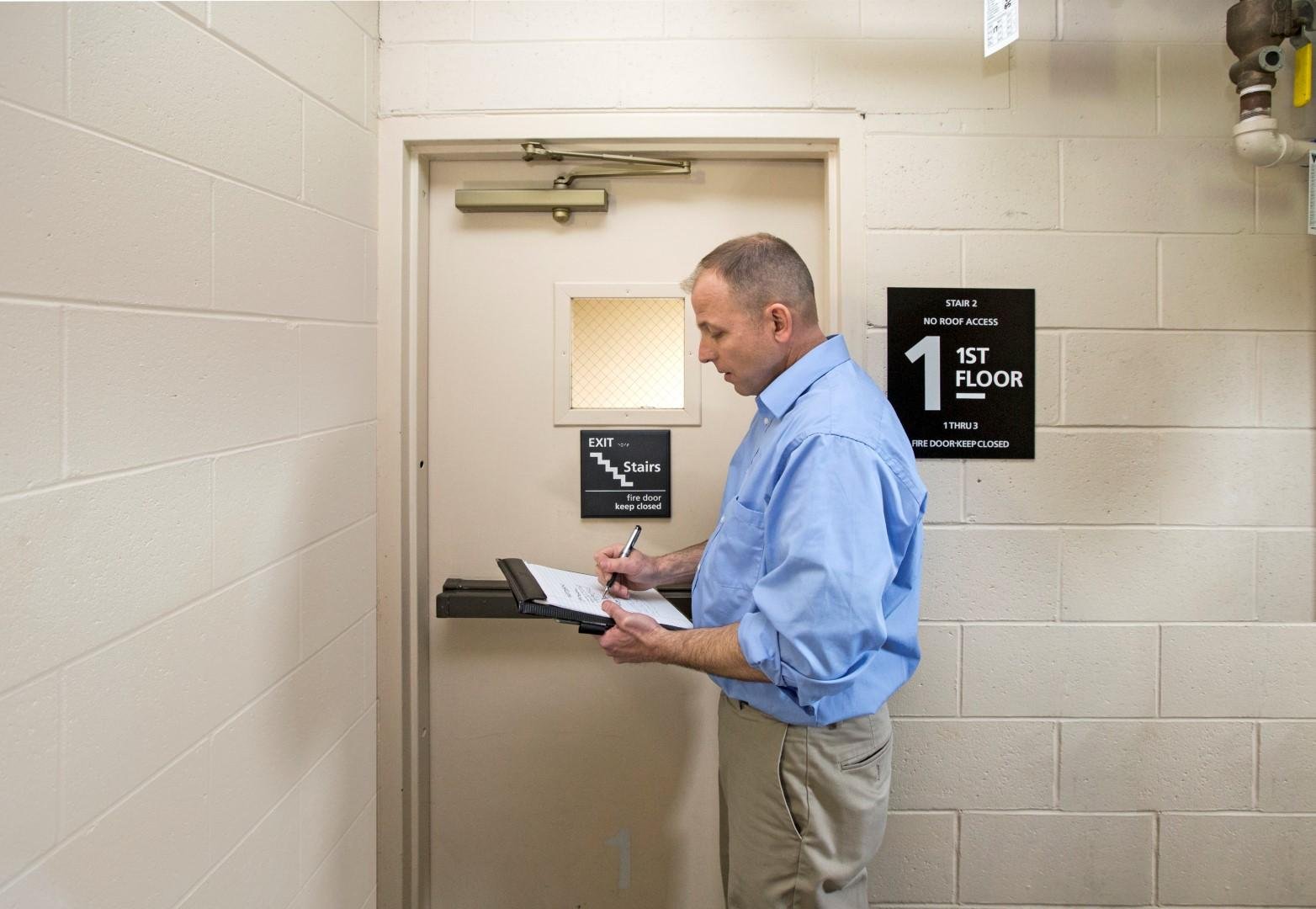
Fire doors must comply with Building Regulations Approved Document B and the Fire Safety Order 2005. Failure to meet these standards carries severe consequences.
Legal Consequences
Non-compliance leads to heavy fines, legal action, or imprisonment. It also invalidates insurance and increases risk of preventable injury during fire events.
How to Ensure Compliance?
- • Install ONLY certified fire doors
- • Conduct professional regular inspections
- • Maintain frames, smoke seals, and intumescents
- • Keep meticulous installation/maintenance records

The Risks of Non-Compliance
Failing to follow fire safety regulations can lead to big fines, criminal penalties, or even losing your landlord license. Local councils can take over buildings that are unsafe.
How Authorities Enforce Regulations
Property Inspections
Running periodic checks to see if fire safety rules are being followed, especially in HMOs.
Improvement Notices
Formal notices requiring issues (like blocked escape routes) to be resolved within a specific timeframe.
Prohibition Orders
In severe cases, authorities can prohibit people from using an unsafe property entirely.