site one

Accredited Installation

Fire Extinguisher Servicing London

Starting from £220 ONLY. All-inclusive fire safety compliance for domestic, landlord and commercial properties.

BS 5306-3:2017
BAFE Engineers
Annual Testing
Digital Certificates
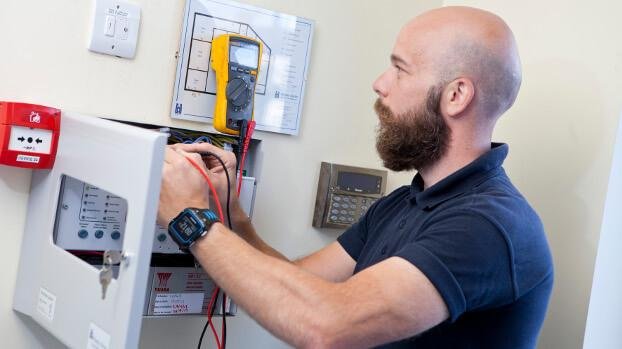
Electrician installing safety equipment

We are Expert in Fire Alarm Installation

Our team of qualified engineers begins with a detailed survey of your property to understand your specific safety needs. We then design a fire alarm system tailored to your building's size and layout.

During installation, we use only trusted, high-quality equipment and follow all UK safety regulations. After the system is installed, we conduct thorough testing and provide clear instructions on how to use and maintain it.

Emergency escape routes
Fire detection systems
Firefighting equipment
Safety signage
Electrical/fuel hazards
Risk reduction measures

Transparent Pricing

£210

Up to 3 Fire Extinguisher Checks

  • Certified Installers
  • Qualified Engineers
  • UK Safety Regs Following
Each additional unit: ONLY £15

What's Included?

Don't leave your safety to chance. A faulty extinguisher is useless in a fire. Our professional annual inspection covers everything you need to stay safe.

Full Compliance Certificate
Priority Annual Reminder
Detailed Inspection Report
Get a Quote
Certified BAFE Engineers Only

What is a Fire Alarm System?

For rental properties, landlords often require extra coverage, such as a Grade LD2 system. This involves hard-wired, mains-interlinked smoke detectors in every habitable room except kitchens and toilets.

In kitchens, a heat alarm is required to prevent false triggers from cooking smoke. Smoke detectors should be installed at least 1m from walls on ceilings or according to specific manufacturing height instructions.

Technical Note:

BS5839 BS stands for British Standards and 5389 is the number of the specific standard that applies to fire safety devices.

Who Needs a Fire Alarm?

According to BS5839 regulations, all rented properties need fire alarms. There are different types of coverage:

LD3

Grade D, LD3 (Minimum)

Hard-wired interlinked alarms in hallway, lounge, and kitchen.

LD2

Grade LD2 (Enhanced)

Interlinked detectors in all escape routes and high-risk rooms.

Warden Training
Legal Compliance
Emergency Lighting
Certified Assessors

Why Installation Is Essential

A properly installed fire alarm system is crucial for protecting lives and property. It provides early detection of smoke or fire, allowing everyone to evacuate safely and quickly.

Without a working fire alarm, a fire can spread unnoticed, causing serious damage and putting people at risk. At EuroSafe, we make sure your fire alarm system is installed to the highest standards.

  • 24/7 Protection & Monitoring
  • Early Detection Save Lives
  • Ultimate Peace of Mind

L1-L5 Fire Alarm Systems

Understanding the levels of fire detection coverage as defined by UK standards.

L1

Detects smoke from a fire and sounds the alarm across all building areas.

L2

Heat detectors sense heat from an area and warn of a possible fire.

L3

Smoke or heat detectors that trigger in escape routes and high-risk rooms.

L4

Detect smoke specifically in escape routes only.

L5

Detects both smoke and high-level heat intensity.

Smoke & Heat Alarms

Understanding the key differences between smoke and heat alarms is essential for ideal placement within your property.

Key Differences

Response Times

Smoke alarms react faster to particles than heat alarms do to temperature shifts.

Sensitivity Levels

Smoke detectors find minute particles; heat alarms respond to increments.

Installation Strategy

Heat alarms are vital in high-temp areas like kitchens to avoid false alarms.

Where to Install

  • Smoke Alarms: Every level, including basements.
  • Near every sleeping area and in habitable rooms.
  • Heat Alarms: Prone to heat or dust (Kitchens/Garages).
  • At least 10 inches away from corners.
  • CO Alarms: Outside every sleeping area.

Carbon Monoxide Alarms

The invisible danger of CO poisoning is a serious risk that requires dedicated detection technology.

Safety Standards

Mandated regulations for invisible gas protection.

Early Warning

Provides alerts significantly preventing fatal poisoning.

Placement Tip: Detectors should be at least 15 feet away from primary heat sources to minimise false alarms, yet close enough to register any emergent carbon monoxide.

Proper Placement

  • Near fuel-burning appliances (not directly above)
  • Every level of your home, including basements
  • Near all sleeping areas for nighttime detection
Detectors are essential even in all-electric homes due to external sources.

Installation Costs

Average prices for homes and businesses in the UK

Residential Properties

£190 – £300 avg per unit

Generally covers basic smoke detection systems and integration into electrical frameworks.

Business Premises

£500+ per unit

Accounts for sophisticated setups and multi-device networking necessary for larger spaces.

Cost Factors:

Installation Packages
Maintenance Costs
Additional Expenses

Alarms FAQ

What you need to know about fire safety devices

Protect What Matters

Expert fire alarm installation across London. Fully certified, compliant, and starting from just £210 per alarm.